A precise, unpredictable thriller best approached with minimal plot knowledge.
The review
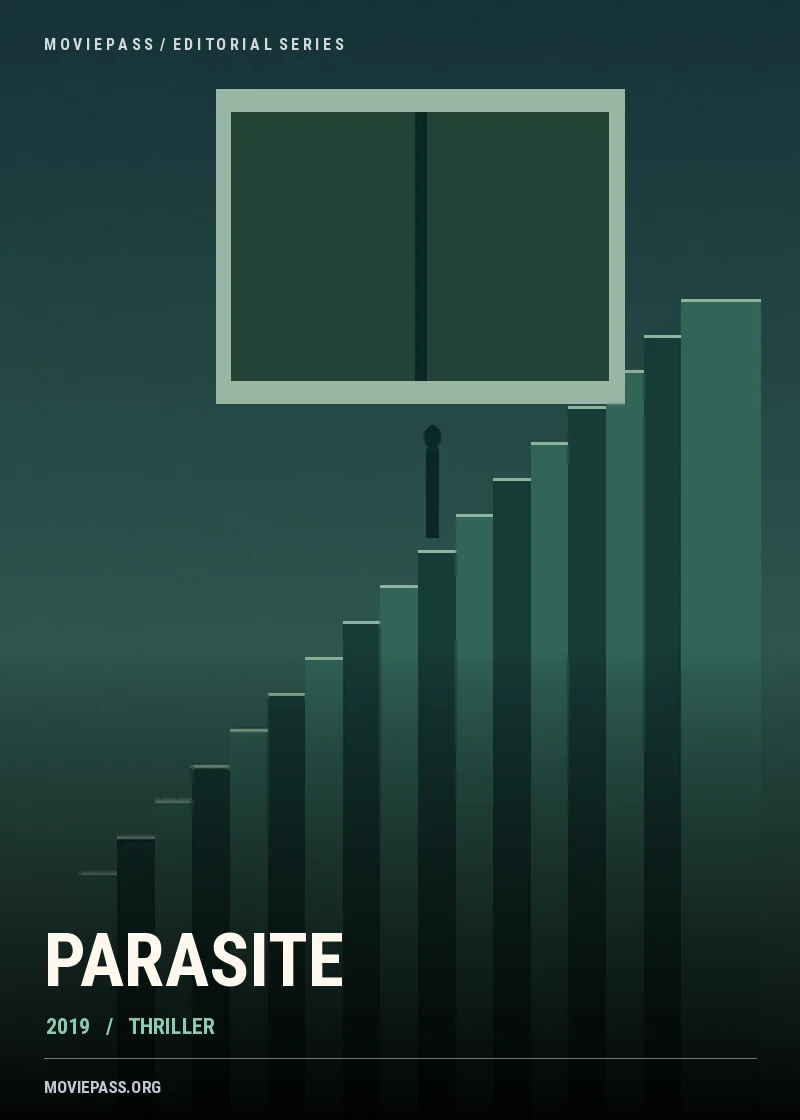
Parasite makes architecture dramatic. Stairs, windows, doors, and lines of sight organize what characters can know about one another. The spaces are readable long before every implication becomes clear, allowing the film to build tension through movement as much as dialogue.
Bong Joon Ho shifts tone with remarkable control. Humor does not cancel anxiety; it often gives anxiety somewhere to hide. The ensemble is essential to that balance. Small adjustments in speech and posture reveal characters performing a role for an audience inside the story while the film’s audience sees a different set of needs.
This is a poor candidate for a detailed plot summary. Discovering changes in the situation is part of how the movie works. It is also more unsettling than its early comic exchanges may suggest. Viewers should seek non-spoiling content guidance when intensity or violence is a concern.
The most useful first-viewing question is where people are permitted to stand, wait, or look. Those practical arrangements give the larger themes a material form. Rather than reducing every character to a simple symbol, notice how immediate wishes and structural limits coexist. The film stays compelling because its spaces feel concrete even as their meanings keep changing.
A question to take into the film
Which spaces allow someone to see without being seen?
Film facts: The Criterion Collection. The premise is paraphrased; the review and viewing question are original MoviePass.org editorial commentary. Selected cast is not a full credit list. Artwork is original editorial illustration.