A meticulously arranged comic adventure with loss waiting just outside the frame.
The review
The Grand Budapest Hotel makes precision feel both delightful and fragile. Every corridor, uniform, and turn of phrase suggests a world maintained by effort. The comedy begins when events refuse to respect that arrangement. What looks like a decorative surface gradually becomes a way of thinking about memory.
Ralph Fiennes gives the concierge’s fastidiousness an unexpectedly flexible rhythm. Politeness can become a weapon, a performance, or an act of care, sometimes within the same exchange. Tony Revolori’s steadier presence keeps the adventure from floating away on verbal momentum.
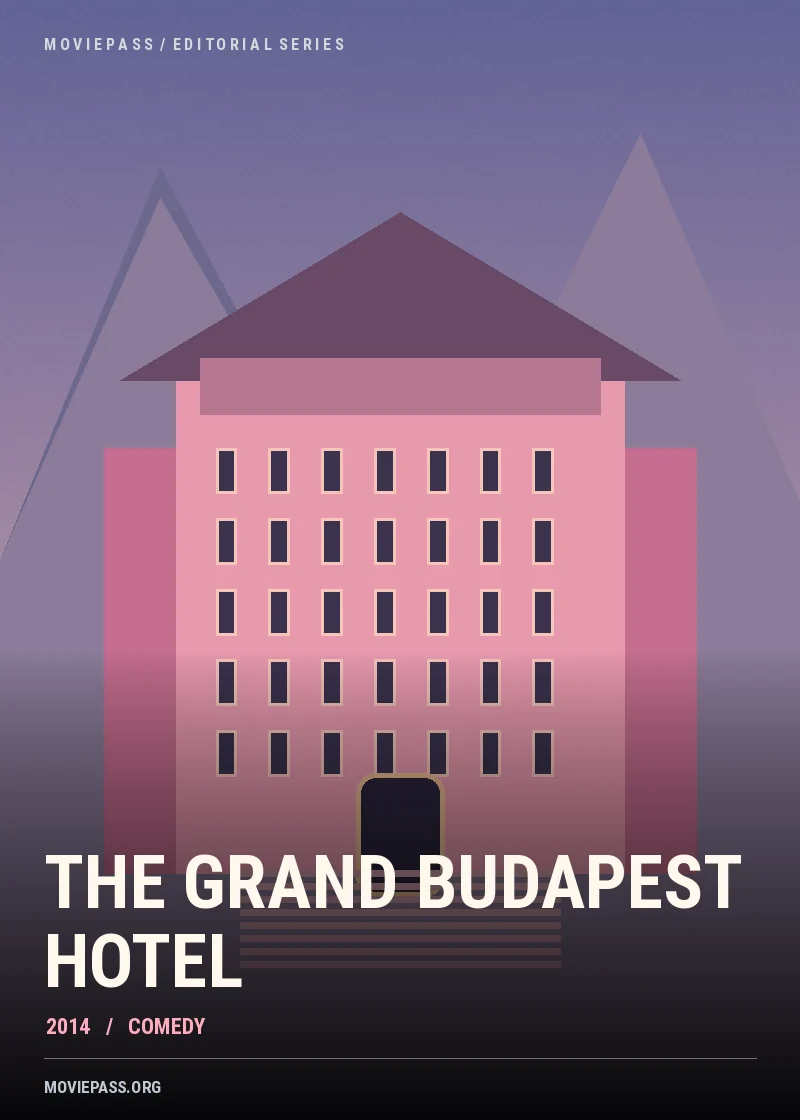
Anderson’s framing is conspicuous. The symmetry, storybook spaces, and abrupt changes of register are not background choices; they are the film’s way of inviting attention. Viewers who find this mannered style distancing are unlikely to be converted simply by the speed of the plot. The violence and darker turns also make its candy-colored appearance a poor guide to suitability.
For a rewarding first viewing, follow the relationships rather than trying to absorb every visual detail. On a return visit, notice which rituals survive disorder and which disappear. The movie is funny because control is so difficult to maintain. It is moving because that difficulty does not make the attempt meaningless.
A question to take into the film
Which detail in the staging or performance tells you something before the dialogue does?
Film facts: The Criterion Collection. The premise is paraphrased; the review and viewing question are original MoviePass.org editorial commentary. Selected cast is not a full credit list. Artwork is original editorial illustration.